a novel by Joey Polino

In August 2025, I left my position at Pinterest in order to pursue my lifelong dream of becoming a traditionally published author.

A Luca Guadagnino sun, Celine Song moon, and Emerald Fennell ascendant, the heart of my literary ambition is to explore queerness and gender as the table stakes of literary fiction and psychodrama, written for the aesthetically and emotionally intelligent “thought daughter, gay son” audience.

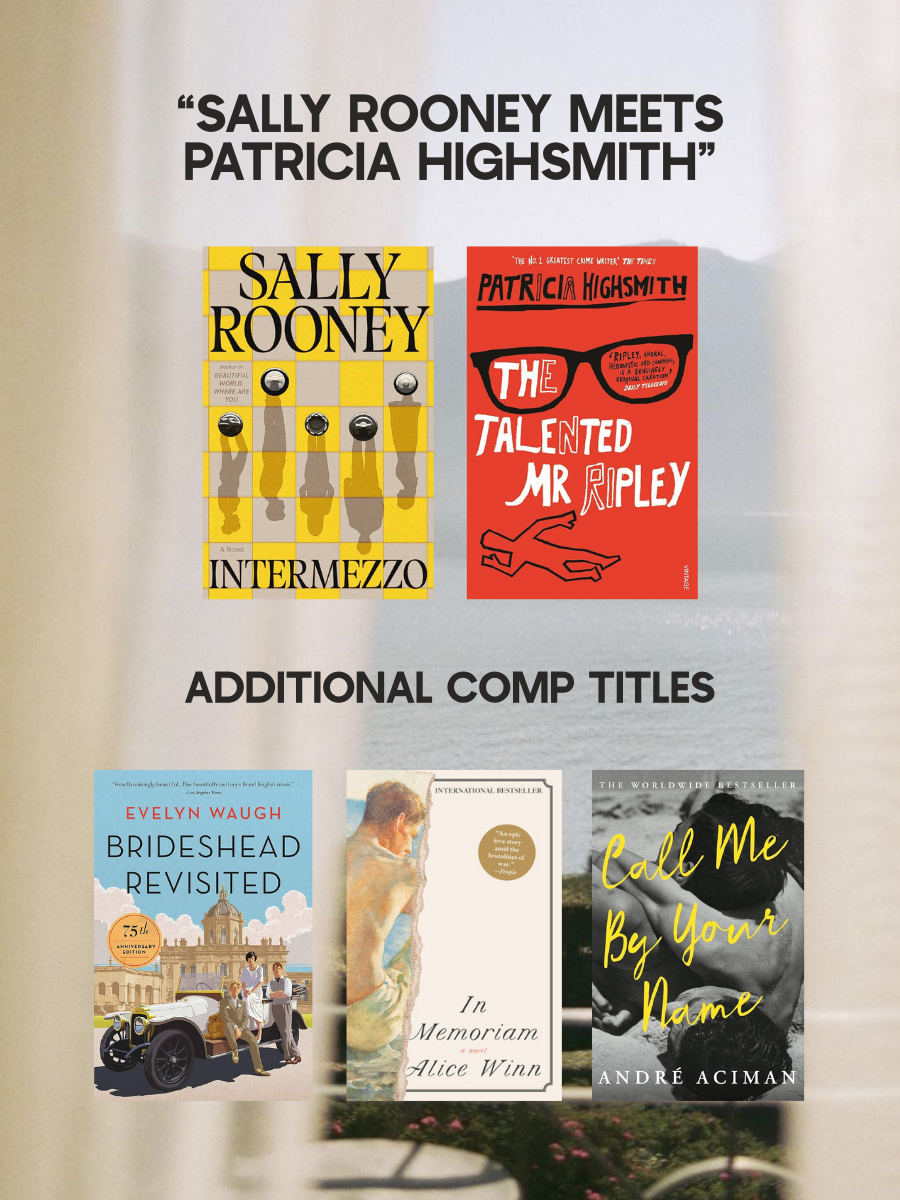
I am currently in the query trenches looking for agent representation for my novel PARTY GAMES, an LGBTQ+ literary romantic mystery for fans of THE TALENTED MR. RIPLEY, THE SECRET HISTORY, and CONVERSATIONS WITH FRIENDS.

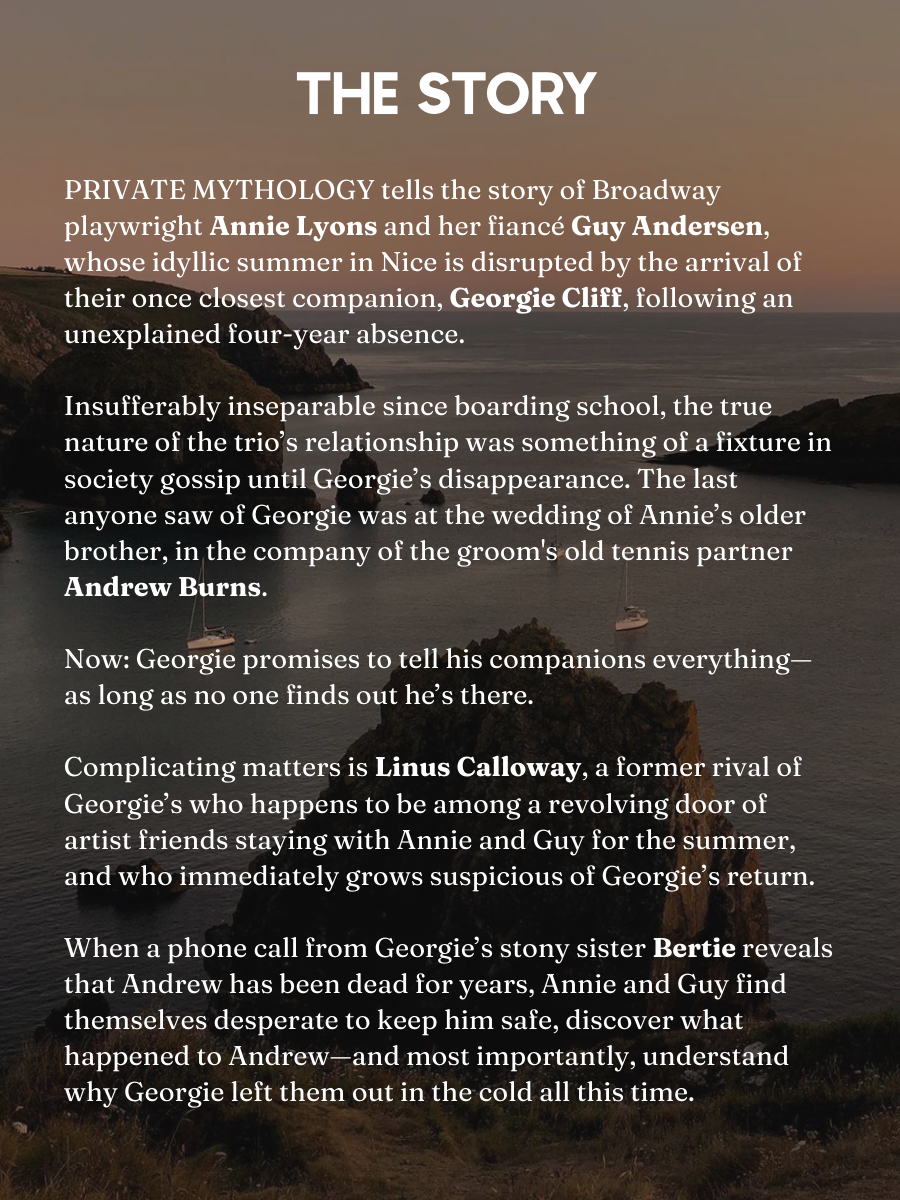
  • Set in 1990s South of France, PARTY GAMES tells the story of Georgie Cliff, a thirty-something member of old money New York society who turns up unannounced on the doorstep of his oldest friends, Broadway playwright Annie Lyons and her fiancé Guy Andersen, four years after disappearing. Georgie promises to tell his companions everything about where he's been—as long as no one else finds out he’s there.

    Insufferably inseparable since boarding school, the true nature of the trio’s relationship was a fixture of society gossip long before Georgie’s sudden disappearance after the wedding of Annie’s brother. The last anyone saw Georgie, he was driving away from the Lyons' family estate outside Boston in the company of the groom’s former tennis partner, Andrew Burns.

    Complicating Georgie's request for discretion is Linus Calloway—an old rival who happens to be among the revolving door of artist friends staying with Annie and Guy that summer. And then there are the suspiciously timed phone calls from Georgie’s stony sister Bertie, whose motives remain unclear as she searches for her brother. What follows is an examination of gossip, our inability to control the social narratives of our own lives, and the lengths we’ll go to protect the ones we love—consequences be damned.

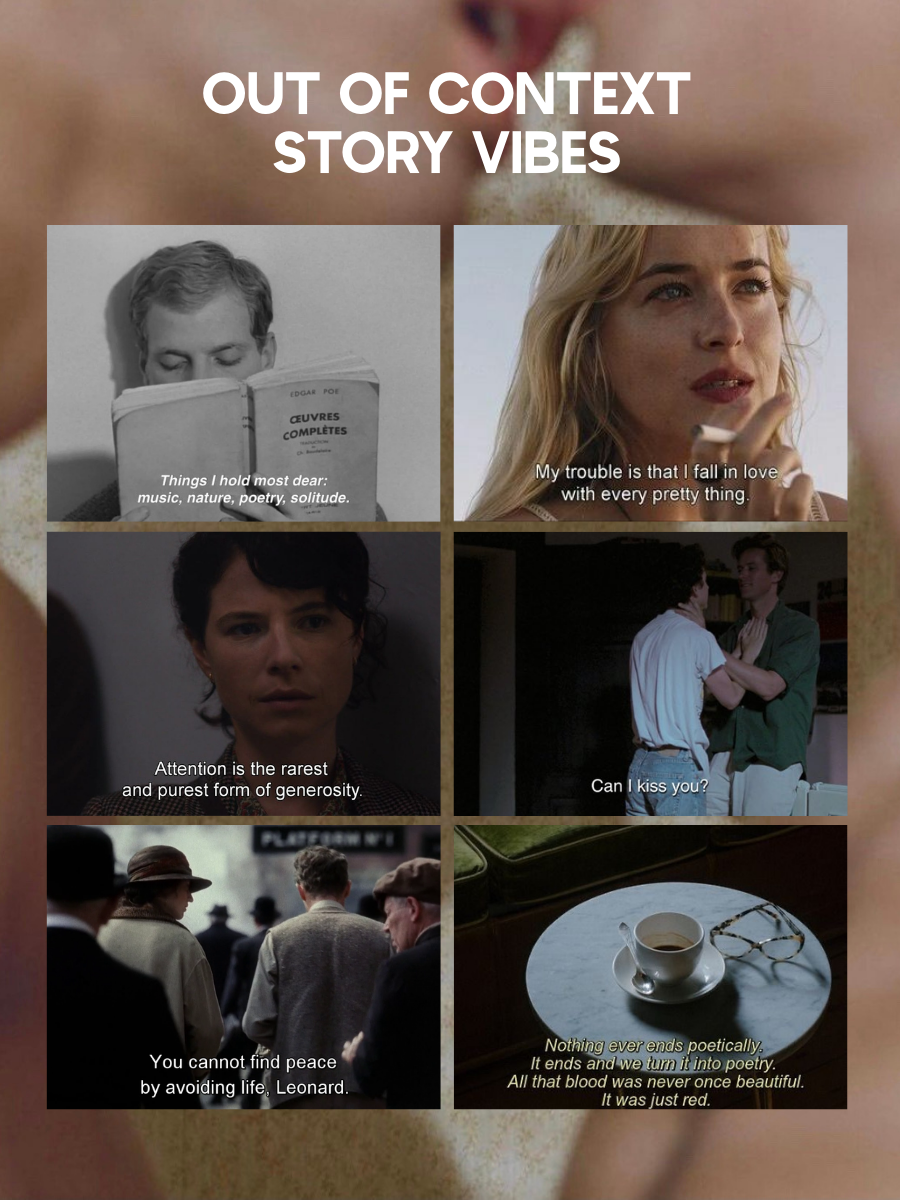
  • Thought not Thot. The "thought daughter, gay son" film flips the internet trend's misogyny on its head, exploring intellectual concepts and characters without sacrificing style and aesthetic intelligence. Stretching across genres, these movies are about women and swishy men who love the humanities. They are dark and feminine; introspective and nostalgic—emotionally intelligent and thoughtful.

    But the aesthetics—from the production design, to the costumes and score, are a feast for the senses. Sometimes all you need is a grande dame of an actress in a role with dialogue she can chew on and spit out. The "gay son" side of the equation ensures that while the story and its characters have depth, it's also eye-catching, gorgeous and riddled with snark.

    My writing style pushes aesthetics through immersive descriptions of sight, sound and wear.